
Adventures with the Common Cold
Humanity's Adversaries, Common Colds and Flu, Have Many Potent Traditional Treatments. You'd Never Know. Is Big Pharma Trying to Kill Us All Again?

I felt great when I left the magical snowy valley where I had been on a Buddhist-scented retreat over the New Year. I still felt great in the truck ride home with a young friend, who had kindly picked me up at the retreat center (I still can’t drive, still limping) and drove me home, over icy rivers, and bridges sparkling with frost. The young man is bright, hardworking, healthy, ethical and handsome. But he has no special lady in his life right now. He spent an hour and a half on the road explaining that there were no young women in our rural area to date, because they were all extremely liberal, and thus, sooner or later, he said, not bitterly but meditatively, would reveal themselves to be fairly deranged. I had heard versions of this complaint from many lovely, hardworking and personable young men. Once again I felt sad for humanity, and especially for the young; and I promised to keep my eyes open him, for what my wittier friends call “inventory.”
By the time I got out of his truck, I had a bit of a sniffle. By nightfall, a raging winter cold had hit me, landing with the force of an anvil dropped on my head, as in old cartoons. Brian was with his son in Massachusetts, so I had the odd, interesting and strangely immersive experience of becoming very suddenly very ill, while alone in a house with no car, as deep snow piled up all around me, and as brazen deer stepped delicately across the fields and stared right into the windows. I had plenty of people who could help me, if needed. But my head cold had hit me so hard and so fast and so uncompromisingly, that I didn’t want to be around anyone at all; all I wanted to do was lie in bed, curled up in a fetal position, and from time to time emerge to make tea, to sit bundled in a blanket in an easy chair, and become aware, with that Buddhist level of refined attention still lingering from the retreat, of how very, very miserable I felt.
That head cold was weird, I tell you. Many people who suffered with “Flu A” described it as feeling “unnatural”, and that was how I felt about it too. (Some of us were mocked by trolls online for this description; but I argue that human survival has depended for millennia on being able to notice something aberrant in the environment, and that we humans are good at distinguishing the natural from artificial, especially when it comes to something inside our own bodies.)
At about midnight, the first night I was home, I woke up from a deep sleep and realized that I was sustaining a pounding headache that made every vein on my skull feel like a little river of throbbing molten lead. It was one of the worst headaches I have ever experienced. Nothing eased it; not water, not tea, not more sleep. I lay for hours in darkness, just living through the relentless cranial pounding, and trying to tell myself that someday this too would, must, pass.
By morning, the headache had eased. But another weird symptom presented itself: abundant sniffles, but like nothing, again, I have ever experienced. I don’t want to gross you out, but it was bizarre; it was as if a tap had been switched on behind my sinuses. No amount of nose-blowing eased this situation. This unpleasant symptom lasted for a gruesome seven hours or so. But the odd thing was how sequentially these different symptoms presented themselves; it was like a time-release illness. Now, the headache. Twelve hours. Now the congestion. Seven hours or so. Then that passed, like the end of an act in a play. Next, the fatigue. I kept falling asleep, but the sleep was not restorative.
Brian came home, and looked after me. I recall lying still in our bedroom and slipping in and out of various dreams. I was aware of him bringing a carafe of water to put beside the bed, and him trying to get me to eat. I had no interest in any of it. When I was alert enough to reflect on my situation, I began to get a bit worried. This feeling of “maybe just let go” had happened to me just twice before in my life — the one time I had had COVID, and the one time I was in the hospital, as I have described to you, with sepsis, when a lifesaving surgery was being continually postponed.
I recall staring at the two blue botanical prints that hang symmetrically on either side of the windows of our bedroom — I reflected that my Bohemian mother often gently teases me for liking these bourgeois floral prints — and I gazed through the windowpanes at the snowy mountain range that overshadows our little farmhouse. I lay still in flannel pajamas — vanity be damned — thinking something like, well that is nice, and the world is pretty, but maybe enough is enough.
I was aware that I had started to wheeze. Something that felt like a factory devoted to the production of phlegm, had dangerously left my sinuses, and had decamped to establish itself in my chest. I listened to a regular whistling sound emerging, every time I exhaled, from a couple of locations in my lungs. Hm, I thought, without alarm. I distantly recognized that this was a problematic symptom, and that the cold could mutate into bronchitis, or pneumonia, and that bronchitis and pneumonia could be deadly.
Moms being the good witches that they are, my mother happened to call at that very moment. We always FaceTime; I am always overjoyed to see her green-rimmed glasses and her lovely face — its freckles, and its golden complexion — and her shock of bright red hair. A painting of a naiad, her hand held open, watery symbols around her, is always floating behind my mom’s head, when I speak to her on FaceTime.
My mother looked at me, and her expression changed. She said something like, Call a doctor. “I don’t want to go to a hospital, mom,” I reminded her. “I almost died last time.” “Call a doctor you trust,” she said.
She gave alchemical direction, as real moms do, using the one phrase that she knew would get through to me. She said: “Call Dr Ealy.” Dr Henry Ealy - the healer who had saved my life, when I had nearly died in the hospital. She repeated sternly: “Call Dr Ealy.” Women in my family repeat things, when they are trying to save someone.
There is something about your mother’s face, and about her voice, when she is really worried about you. Moms — good moms, at least — are our mirrors, and our better selves, and they act on us like the proverbial shake of the shoulders, when we have lost ourselves, and when we can no longer think straight about our own self-preservation.
When I understood that my mother was worried, I somehow snapped out of my torpor.
I didn’t call Dr Ealy right away. It was very late at night. But I realized from my mother’s anxiety that bed rest alone was not going to heal me. I needed an intervention; so I dragged myself down to the kitchen and began to do what I knew I needed to do, to heal myself.
By now, my familiarity with herbs made what happened next, almost automatic. First I took our Grosche Aberdeen tea infuser (“Proudly Canadian Brand”!) I highly recommend you try one of these; they are the Humvees of tea brewing.
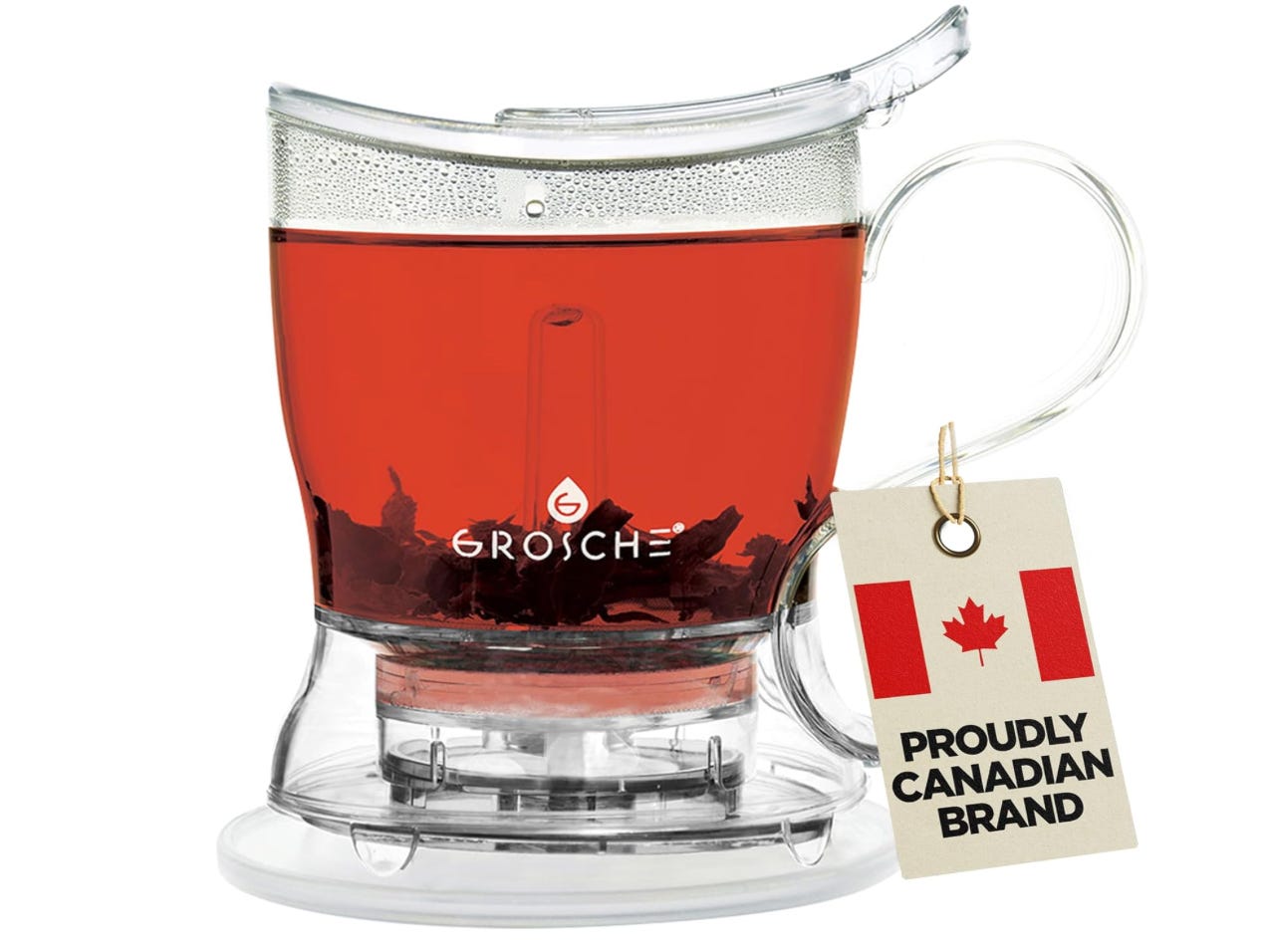
Then I shook several handfuls of an herbal blend — “Hibiscus Queen” — that I had purchased at the retreat. The tea-maker, Miriam Novalle, a jovial blonde lady, had set up an operation outside the daily Qui Gong class at the retreat, and she had offered steaming samples in paper cups. I could not resist. I must have been prescient in buying a quarter-pound of her tea, because the herbs in “Hibiscus Queen” were exactly what I needed to start my recovery. (https://www.tsalon.com/herbal-blends-loose-leaf/organic-immunity-77h32-5t895. None of the products or4 substances mentioned in this article are sponsors; there are no conflicts).
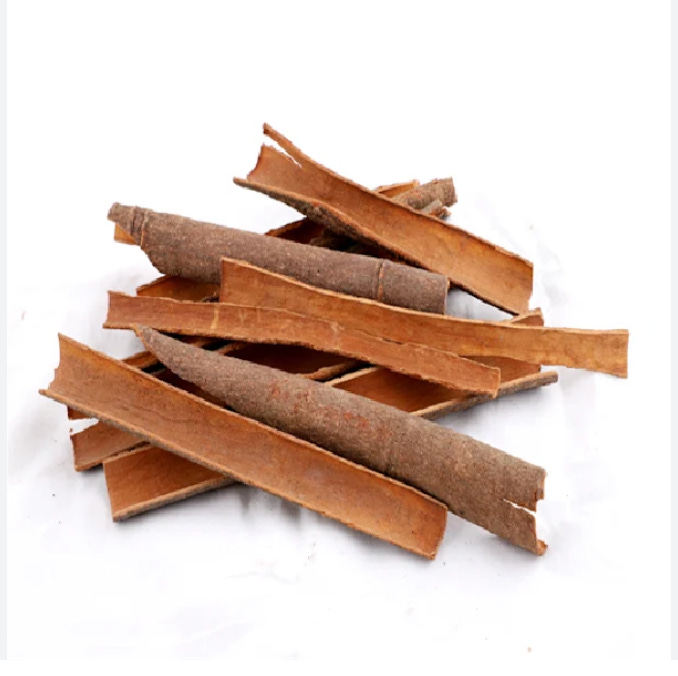
The packet contained hibiscus, rose buds, black currant and pomegranate. I added to the teapot a few sticks of curly, woody mauby bark; and some teaspoonaful of Ascorbic Acid Vitamin C, powdery and tart.
Why did I reach for these herbs and barks, out of my whole pantry? I am not an herbalist, but I know herbalists will concur with this — the right herbs actually seem to call to you silently, or to magnetize you and attract you, depending on the condition you are trying to heal. Your hand just reaches to where it should go.
I added local honey to the brew, and began sipping. Immediately— three hot, sweet sips in — I felt an herbal army taking up its instinctive counter-attack against the viral infection in my lungs.
For what herbs had I instinctively (and with some fuzzy memory of their properties) — reached?
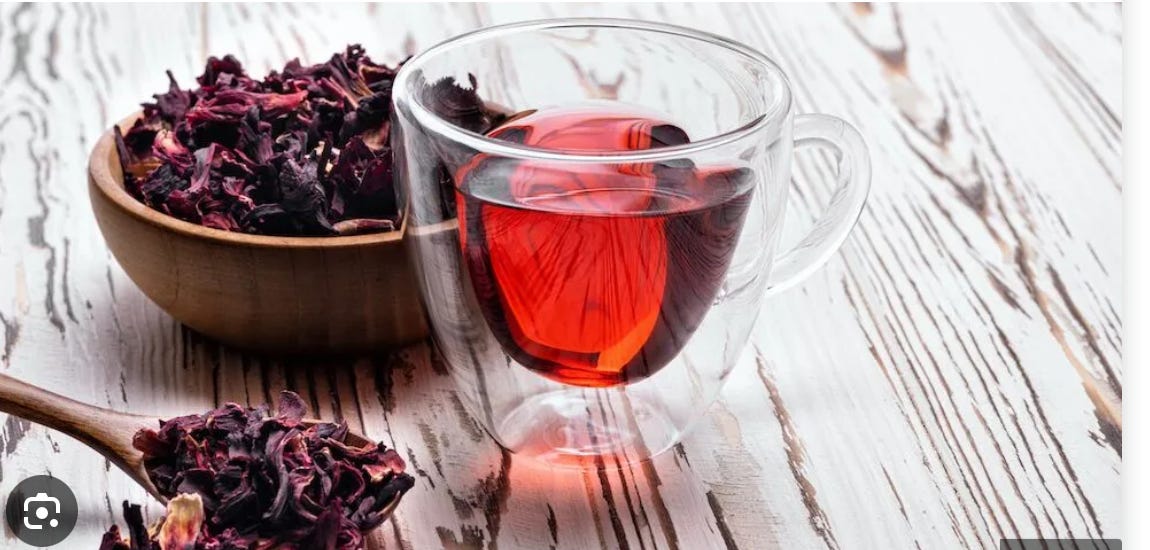
Hibiscus actually lowers the titers (concentrations) of avian flu. It also inhibits the replication of the avian flu virus: According to the article “High antiviral effects of hibiscus tea extract on the H5 subtypes of low and highly pathogenic avian influenza viruses”, 2016, in the Journal of Veterinary Medical Science,
“We screened the antiviral effects of 11 herbal tea extracts (hibiscus, black tea, tencha, rosehip tea, burdock tea, green tea, jasmine tea, ginger tea, lavender tea, rose tea and oak tea) against the H5N1 HPAIV in vitro. Among the tested extracts, only the hibiscus extract and its fractionated extract (frHibis) highly and rapidly reduced the titers of all H5 HPAIVs and low pathogenic AIVs (LPAIVs) used in the pre-treatment tests of Madin–Darby canine kidney (MDCK) cells that were inoculated with a mixture of the virus and the extract. (Italics mine). Immunogold electron microscopy showed that anti-H5 monoclonal antibodies could not bind to the deformed H5 virus particles pretreated with frHibis. (Italics mine). In post-treatment tests of MDCK cells cultured in the presence of frHibis after infection with H5N1 HPAIV, the frHibis inhibited viral replication and the expression of viral antigens and genes. (Italics mine). Among the plants tested, hibiscus showed the most prominent antiviral effects against both H5 HPAIV and LPAIV.”
The peer-reviewed articles in PubMed that show that hibiscus is antiviral, antimicrobial, antibacterial and immune-boosting, are so abundant that they can’t be easily summarized. Many cultures seem to know the powerhouse properties of hibiscus in fighting colds and flu — except for our own allopathic Western medical tradition.
In Chinese medicine, hibiscus is used to fight colds and flu, and Chinese researchers found that hibiscus eases lung edema — swollen tissues in the lungs, exactly what I suffered from — and that it cut the number of mouse deaths by half. They published their results in 2023 in the Journal of Ethnopharmacology: “Anti-influenza properties of tiliroside isolated from Hibiscus mutabilis L”: “Results: Using bioassay-guided isolation, the flavonoid tiliroside [from hibiscus] was obtained, which inhibited four IAV strains in MDCK cells with EC50 ranging from 3.87 to 27.61 μM by suppressing the viral ribonucleoprotein activity. [Italics mine]. Tiliroside also significantly downregulated the expression of cytokines/chemokines in A549 cells, and protected 50% of PR8-infected BALB/c mice from death and at 800 mg/kg/day, improved lung edema conditions. [Italics mine.]
Conclusion: Tiliroside is effective for influenza virus infection treatment and promising for further drug development. This study is the first to demonstrate that tiliroside in FRY acts against influenza virus.”
I could go on and on, citing the peer-reviewed studies showing the powers of hibiscus to save lungs from dangerous edema, and to save mice from death from the flu.
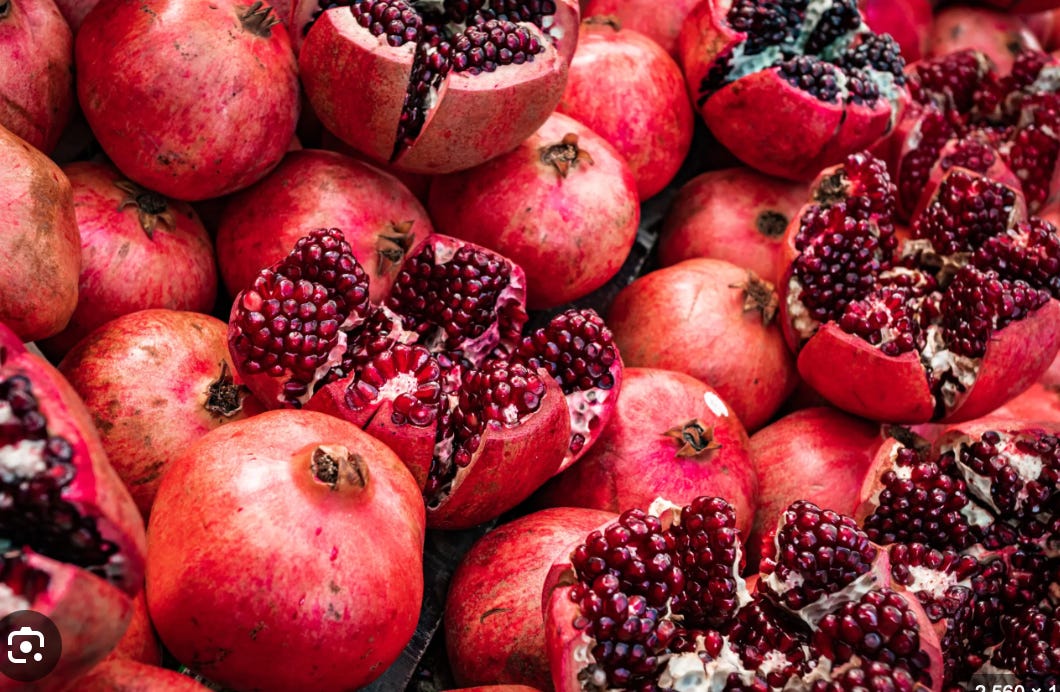
Let’s look at pomegranate, another ingredient in my fourteen-dollar quarter-pound of “Hibiscus Queen”. Peer-reviewed research showing that pomegranate immediately weakens both bacteria and viruses, including flu viruses and other serious viruses affecting health, is abundant. “The Pomegranate: Effects on Bacteria and Viruses That Influence Human Health”, was published in Evidence-Based Complementary Alternative Medicine, 2013. The paragraphs showing the results of pomegranate on flu are so dramatic, that I reproduce them in here:
“Pomegranate extracts have also shown antiviral effects against influenza virus, HIV-1 and poxviruses [52, 53, 76]. Influenza virus continues to be a major cause of morbidity and mortality each year with 31,000 deaths reported yearly in the US, despite access to vaccines [52]. However, frequent recombination events and viral evolution necessitate the change in vaccine composition requiring administration of new vaccines yearly. Researchers have shown that pomegranate polyphenols were virucidal against influenza A virus, suppressed the replication of the virus in host cells, and inhibited agglutination of chicken red blood cells caused by the virus using real-time polymerase chain reaction, a plaque assay, and a median tissue culture infective dose 50% hemagglutination assay [52]. [Italics mine.] They also showed that among four polyphenols (ellagic acid, caffeic acid, luteolin, and punicalagin), punicalagin was found to be the most effective anti-influenza component, blocking replication of influenza virus RNA and inhibiting agglutination of chicken red blood cells by the virus. [Italics mine].
Sundararajan et al. [78] also showed that the acidity of pomegranate juice and concentrated liquid pomegranate extract (POMxl) solutions contributed to rapid anti-influenza activity, […]. A 5-minute treatment at room temperature with 800 μg/mL PP was shown to result in at least a 3 log titer reduction of influenza viruses PR8 (H1N1), X31 (H3N2), and a reassortant H5N1 virus derived from a human isolate. Loss of hemagglutinating activity was reported to accompany the loss of influenza infectivity, with decreased antibody binding to viral surface molecules after treatments with PP. Viral structural damage was also reported using electron microscopic analysis of PP-treated viral particles. […] Kotwal [54] suggested that pomegranate juice can neutralize the infectivity of diverse enveloped viruses and a number of subtypes of a given enveloped virus, indicating potential for development as a treatment option that can be broadly effective against pandemic viruses like HIV, potentially pandemic viruses like influenza, and some carcinogenic viruses. It was shown that influenza A/HK/x31(H3N2), influenza A/Vietnam/1203/04 (H5N1), and a reassortant x31 containing the NS gene segment of an H5N1 isolate were inactivated when treated for 5 minutes at 37°C with pomegranate juice [54]. [Italics mine]. "
I hope you understand from this that pomegranate literally disables various influenza viruses, or it makes them less infectious, within minutes.
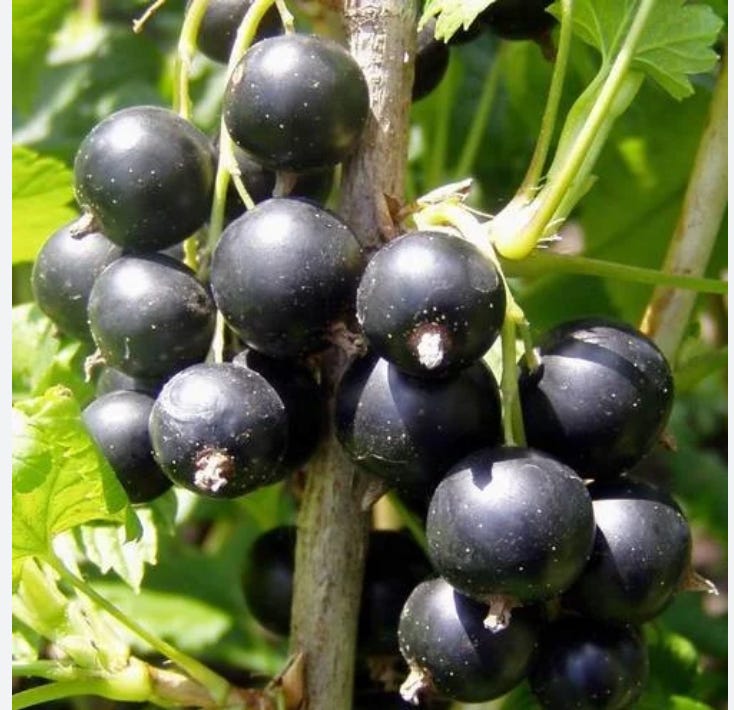
Now let’s look at black currant, which has long been used in traditional home remedies for colds and flu, and to boost the immune system generally, in the West. In the UK a mass-produced black-currant cordial, Ribena, has been beloved for decades. The article “Antiviral activity of Ladania067, an extract from wild black currant leaves against influenza A virus in vitro and in vivo”, in Frontiers in Microbiology, 2014, shows extraordinary results from early treatment of flu with black currant:
“Influenza, a respiratory disease caused by influenza viruses, still represents a major threat to humans and several animal species. Besides vaccination, only two classes of drugs are available for antiviral treatment against this pathogen. Thus, there is a strong need for new effective antivirals against influenza viruses. Here, we tested Ladania067, an extract from the leaves of the wild black currant (Ribes nigrum folium) for potential antiviral activity against influenza A virus in vitro and in vivo. […] Ladania067 was highly effective (EC50 value: 49.3 ± 1.1 ng/ml) against the human pandemic influenza virus strain A/Regensburg/D6/09 (H1N1). The extract exhibited an antiviral effect when the virus was pre-incubated prior to infection or when added directly after infection. No antiviral effect was found when infected cells were treated 2, 4, or 8 h after infection, indicating that Ladania067 blocks a very early step in the virus infection cycle. In the mouse infection model we were able to demonstrate that an intranasal application of 500 μg Ladania067 inhibits progeny virus titers in the lung up to 85% after 24 h. [Italics mine] We conclude that the extract from the leaves of the wild black currant may be a promising source for the identification of new molecules with antiviral functions against influenza virus.”
You understand from the above that black currant leaves were “highly effective” against the human pandemic flu strain H1N1, and that when mice received black currant leaf extract in their nasal passages, the virus titers (concentration) in their bodies were inhibited by 85% within a day.
And the Caribbean mauby bark, one of my favorites? “An Assessment of Total Polyphenolic Content and Antioxidant Potential of Mauby Bark Extracts (Colubrina arborescens) Brewed for Different Lengths of Time”, in Journal of Food Research, 2019, showed that mauby bark has antioxidant effects, and scavenges free radicals. This activity boosts your immune system and protects your cells, thus helping you fight off viral infections, or heal from a cold or influenza.
The ascorbic acid, or Vitamin C, that I added to the whole concoction?
The abstract of “The effectiveness of vitamin C in preventing and relieving the symptoms of virus-induced respiratory infections”, published in 1999 in the Journal of Manipulative and Physiological Therapeutics, is so astonishing I present it here:
“Background: An ever increasing demand to evaluate the effect of dietary supplements on specific health conditions by use of a “significant scientific” standard has prompted the publication of this study.
Objective: To study the effect of megadose Vitamin C in preventing and relieving cold and flu symptoms in a test group compared with a control group.
Design: Prospective, controlled study of students in a technical training facility.
Subjects: A total of 463 students ranging in age from 18 to 32 years made up the control group. A total of 252 students ranging in age from 18 to 30 years made up the experimental or test group.
Method: Investigators tracked the number of reports of cold and flu symptoms among the 1991 test population of the facility compared with the reports of like symptoms among the 1990 control population. Those in the control population reporting symptoms were treated with pain relievers and decongestants, whereas those in the test population reporting symptoms were treated with hourly doses of 1000 mg of Vitamin C for the first 6 hours and then 3 times daily thereafter. Those not reporting symptoms in the test group were also administered 1000-mg doses 3 times daily.
Results: Overall, reported flu and cold symptoms in the test group decreased 85% compared with the control group after the administration of megadose Vitamin C. [Italics mine]
Conclusion: Vitamin C in megadoses administered before or after the appearance of cold and flu symptoms relieved and prevented the symptoms in the test population compared with the control group. [Italics mine.]”
I will repeat the takeaway from the above, in this 27-year-old peer-review-published study, involving hundreds of test subjects and hundreds more subjects in the control group: megadoses of vitamin C reduced flu and cold symptoms in the test group, by 85%.
[Note: Vit C is less effective when heated than when taken cold.]
How is this information not on the cover of every legacy news outlet, every winter?
The next day, feeling weak but better, I used (maybe TMI) a NeilMed nasal lavage device, called the “Sinugator”, which is perhaps the most regrettable name in marketing history. But the product itself is also rather endearing, as Dr Ketan Mehta’s smiling face appears encouragingly on every package. “Put this in your nostril!” Dr Mehta seems, in a friendly way, to be urging.
This device is an adaptation for Western consumers of the Ayurvedic practice of nasal rinsing to avoid or mitigate viral infections.
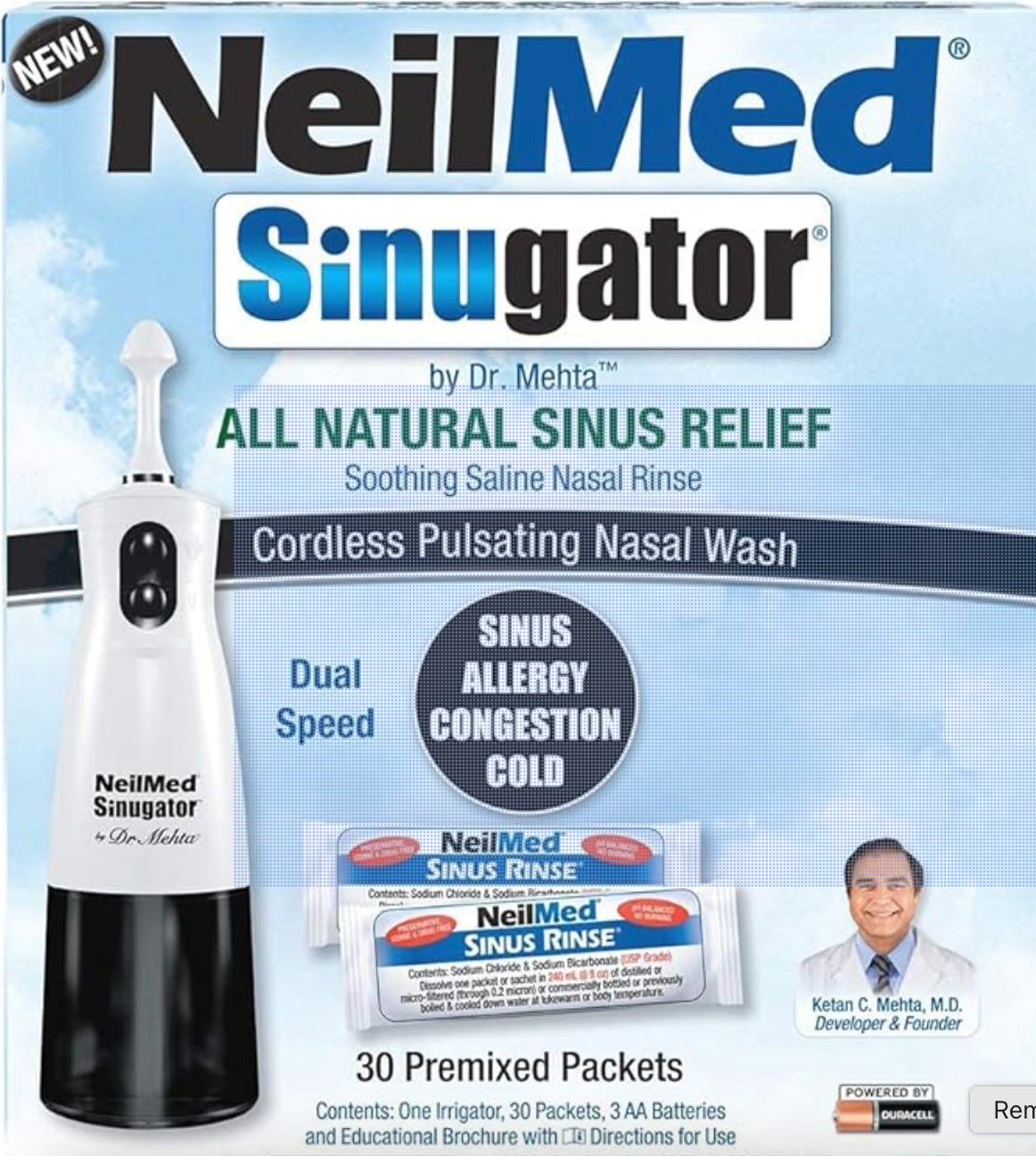
I will never forget Dr Peter McCullough explaining that the population’s nasal rinsing upon returning home from being in public places, led to Pakistan effectively managing the COVID “pandemic” successfully. I also continually tell friends and family about Dr McCullough’s recommendation that COVID be treated by nasal rinsing with a ten per cent dilution of Betadine in distilled water, four times a day. Everyone I know (including myself) who used this protocol, got over COVID in 24-48 hours, with no lasting ill effects. So, mindful that by the same premise, that I needed to kill the viral infection in my nasal passages before it could do further damage in my lungs, I rinsed, as the genial Dr Mehta advised.
That night I slept a healing sleep; by the next day the color was back in my cheeks, and the infection had cleared my lungs. I added chicken soup — “Jewish Penicillin” — with many cloves of garlic in the broth; and I added fresh slices of ginger, also an antiviral, to the teas of that day.
Here in the link is a recipe for Jewish chicken soup.
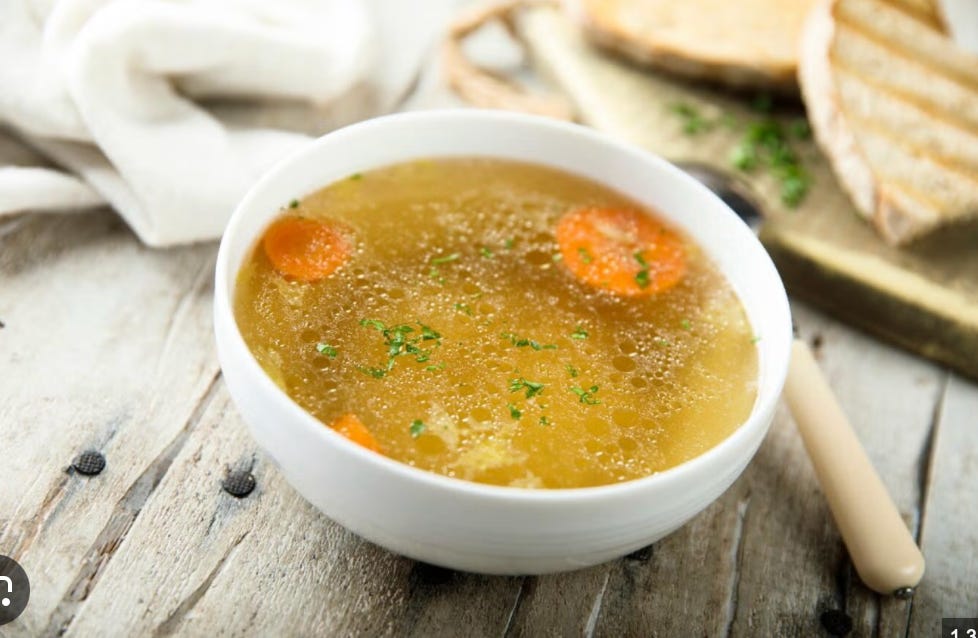
Yes! PubMed has multiple peer-reviewed studies showing that Jewish chicken soup has measurable benefits when it comes to healing upper respiratory infections. In “Chicken soup inhibits neutrophil chemotaxis in vitro”, 2000, in Chest, the authors found that yes, your mom’s or dad’s homemade soup is more healing than Campbell’s, and that you should drink the broth:
“Chicken soup has long been regarded as a remedy for symptomatic upper respiratory tract infections. As it is likely that the clinical similarity of the diverse infectious processes that can result in "colds" is due to a shared inflammatory response, an effect of chicken soup in mitigating inflammation could account for its attested benefits. To evaluate this, a traditional chicken soup was tested for its ability to inhibit neutrophil migration using the standard Boyden blindwell chemotaxis chamber assay with zymosan-activated serum and fMet-Leu-Phe as chemoattractants. Chicken soup significantly inhibited neutrophil migration and did so in a concentration-dependent manner. [Italics mine] The activity was present in a nonparticulate component of the chicken soup. All of the vegetables present in the soup and the chicken individually had inhibitory activity, although only the chicken lacked cytotoxic activity. Interestingly, the complete soup also lacked cytotoxic activity. Commercial soups varied greatly in their inhibitory activity. The present study, therefore, suggests that chicken soup may contain a number of substances with beneficial medicinal activity. A mild anti-inflammatory effect could be one mechanism by which the soup could result in the mitigation of symptomatic upper respiratory tract infections.”
So — I took all of these well-known, traditional remedies.
By Day Four I was fine.
I was fully healed.
Why do I share all of this?
Well, first of all, when I summarized my healing protocols on X, the post got a million views. So I conclude that lot of people have been suffering with “Flu A”, as it has been profitably branded.
But second of all, I am appalled and horrified that traditional substances all proven to be powerful as the ones I itemized above in killing or mitigating the potency of flu viruses, are not presented to suffering patients by doctors, or described as effective healing modalities in legacy media. People are told that there is either nothing to be done, or that they must solely rely on “flu vaccines” and cold and flu drugs. When they get bad enough, they must rely on hospitals — which have their own dangers.
The abstracts about these herbs, barks and powders, that show that they clear or ease flu symptoms dramatically in very short periods of time, should be front page news every flu season. But instead, these well-known traditional remedies are consigned to obscure databases, and, as you can see from the dates of these articles, additional research on such dramatically healing substances, has in recent years been slowed or stalled.
Pharma companies, including Moderna, are complaining, including at Davos, Switzerland, that uptake of the flu vaccine in the US has softened. So they are boosting their efforts to push flu vaccines around the world.
What puts Americans, and everyone, at risk, is not the absence of a flu vaccine. It is the fact that the position of the allopathic medical establishment is that, apart from a vaccine, there “is no treatment for the common cold or flu”, except for rest and liquids, or their own dangerous products.
Why do Big Medicine and Big Pharmaceutical tell these outright lies?
The global flu vaccine market was $7.97 billion in 2023.
And cold and flu drugs via Big Pharma?
“The Cold and Flu Drugs Market size was valued at USD 17.47 Bn. in 2024 and the total Global Cold and Flu Drugs revenue is expected to grow at a CAGR of 10.86% from 2025 to 2032, reaching nearly USD 39.85 Bn. by 2032.”
Why are cold and flu drugs market size expected to double in eight years? What awful, perhaps even “unnatural”, cold and flu seasons, might the Pharma industry be anticipating in years to come, that we cannot fathom?
The bottom line is that this situation, in which cheap, millennia-old, tried-and tested cures and treatments for cold and flu, from hibiscus to pomegranate to nasal lavage, to ginger and garlic, are silenced and censored, and sent to the attic of medical history; while people suffer and even die every year from treatable viral infections — is a criminal one.
Yes, another criminal one.
Influenza, as you read, kills from 17,000 to 31,000 Americans a year (except in the launch years of the COVID “pandemic”, when a new category, “PIC, “pneumonia, influenza and COVID”, was invented, shifting tens of thousands of annual flu deaths into this new politically useful category).
When I looked online, many people had been hit with this horrific flu; I heard from friends that local clinics were jammed with sufferers.
Should these hundreds of thousands suffer? Should these tens of thousands die?
I say no.
Go save yourselves. Seriously. Please.
Go learn about how to treat and heal yourself and your loved ones early, so that bad colds and flus, don’t eventually become lethal bronchitis or pneumonia.
Our grandmothers and great-grandmothers did this routinely — they brought traditional remedies to the sickroom, where loved ones suffered from “a chill” or from “catarrh.”
Only in this advanced era are we told that nothing much can be done for our viral infections; that is, we are told that there is nothing much to be done — that we can do ourselves.
My friends, you have nothing to lose but your tissues.
Save yourselves from Stephane Bancel and Albert Bourla. They do not wish you well.
Heal yourselves.
The natural world is a garden; it is also a playground.
And it is also a medicine chest.
Here’s to bringing back the crunchy granolas that populated Berkeley, Boulder and SF. My sister in law scoffs at my centrist views and explains her progressive ideology because her mom went to UC Berkeley in the late 70’s.
Ha. If her views had stayed put in that era, she would be a centrist like many of us. Sadly, tribalism short cuts critical thinking.
My mom was late to the crunchy movement - gravitated to it when she moved to the Bay Area in the mid 90’s. She was as progressive as they came until the mob came for her in 2020 for trying to bring common sense and “crunchy” solutions to address covid.
Let’s get back to the basics - solutions proven for centuries. It is amazing how far clean water and sanitation advanced the health of our society.
Thank you, once again, for the heartfelt and informative stories from your life. Hugs to all!
I wish this had come 3 weeks ago. My 91 year old mother has been suffering with a flu-like cold (tested negative for everything) for 3 weeks. She's always been one of the healthiest people I know - and that changed drastically in the last 4 years (take a wild guess as to the why). She now gets the flu annually (I have zero memories of her ever being sick when i was a child) and often gets rashes and hives from bizarre reactions to things. Anyway, as she's been battling this "cold" for 3 weeks, they've been telling her constantly that there's nothign they can do. The cough has kept her up to the point that she's utterly exhausted. She said she was taking vitamin C but my guess is it was a small amount. She's not a medicine taker and has never taken a vitamin in her life. I'm 8 hours away so I can't be there to get these things for her. She finally got some cough syrup (they originally kept giving her pills - cough pills??) with codeine in it. Two nights ago she slept through the night for the first time in almost 3 weeks. She woke up feeling like a new person. Had she been taking some of these supplements from the get-go, it wouldn't have resulted in her having to take codeine. It's maddening that they don't talk about this at all with patients.